THE STORYLINE
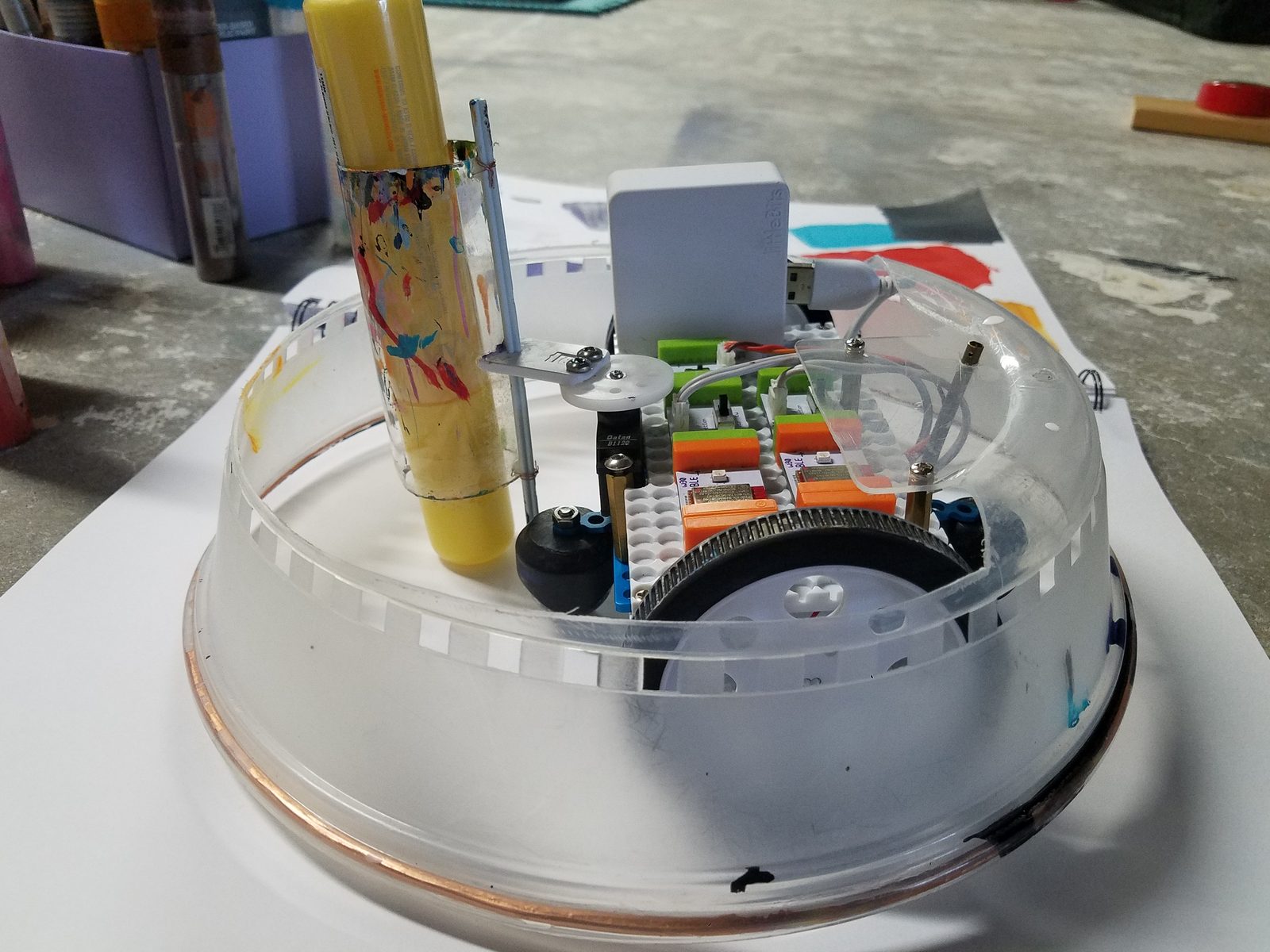
Sapient 2.021 is an experimental short film combining dance, robotics, and visual art to explore what it means to be human in a tech-saturated world. This work is part collaborative art documentary and part screen dance. It draws inspiration from science fiction combining Tate’s motion-controlled painting robot (Manibus) with dance and visual art to examine ideas surrounding labor, control, empathy, and human rights in the wake of the year 2020.
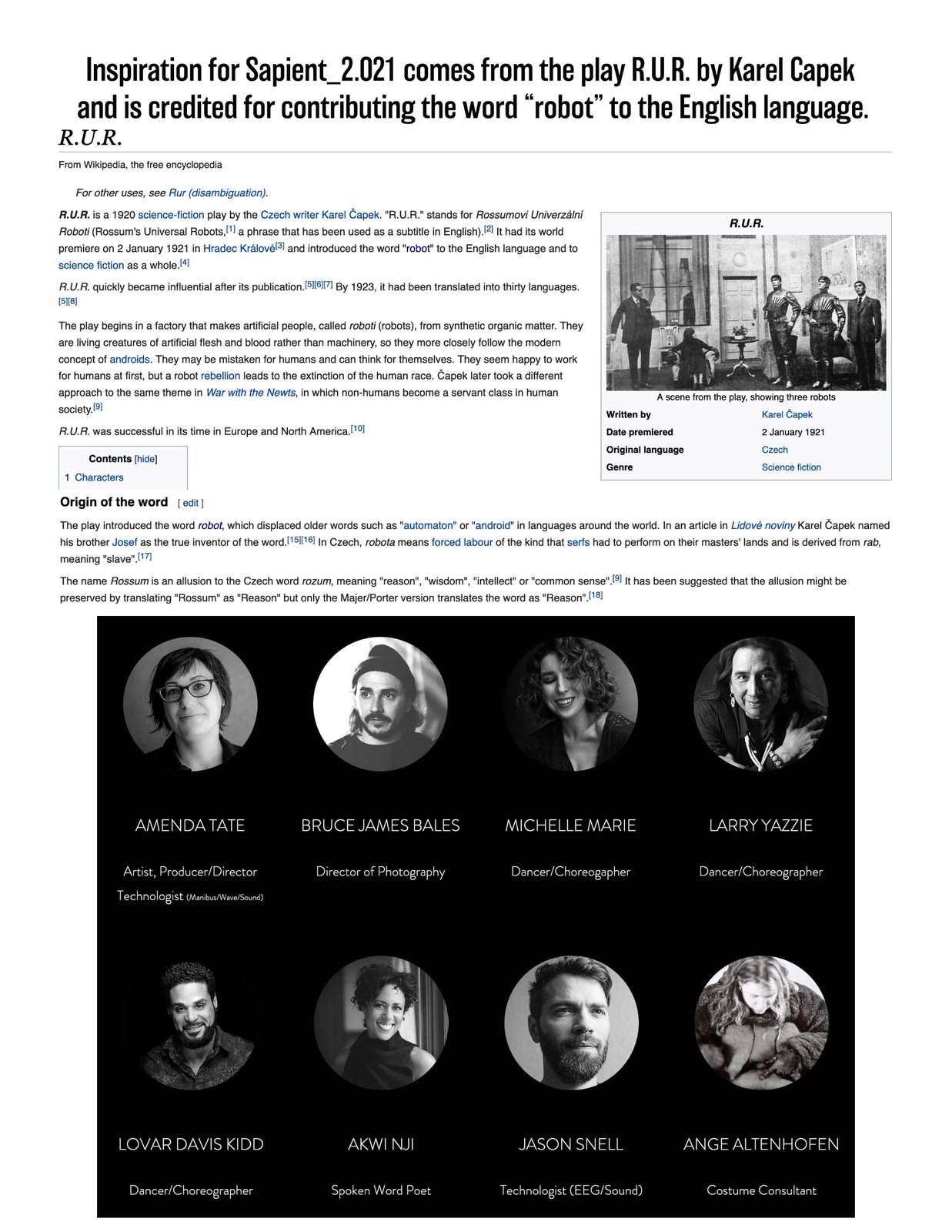
The film commemorates the 100th anniversary of the word “robot” (Slavic root "robota" which translates to "forced labor") introduced to the English language through the play R.U.R. (Rossum’s Universal Robots) by Czech playwright, Karel Capek.
How have our views regarding robotics changed over the past century as our relationship to and dependence upon machines evolved? How have our views on humanity and objectification changed? How do we define humanity, and how does labor fit into the equation?
This project is supported by the Iowa Arts Council a division of the Iowa Department of Cultural Affairs and the National Endowment for the Arts.
Opening Narration
What traces do we leave?
What paths upon the land?
What scars upon the Earth?
Do we “carry in” and “carry out”?
Is it possible to “leave no trace”?
Do we sing a solo?
Do we weave a collective tapestry?
Do we raise unified voices?
What story remains after our dance has ended?
What evidence of a life lived?
Who owns our story, experience, or energy?
Who has the right to interpret it?
What will this age of surveillance capitalism bring?
What remnant, remainder, or residue?
Where is the fight for a human future?
Written and spoken by Amenda Tate at the opening of the film
Making the Film
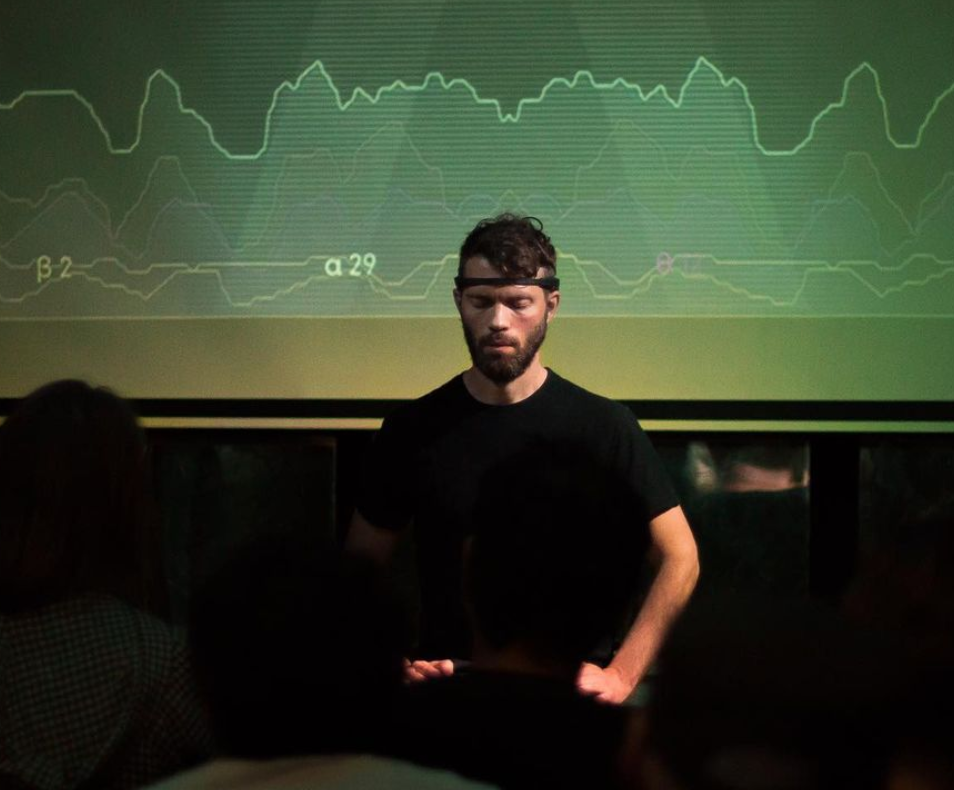
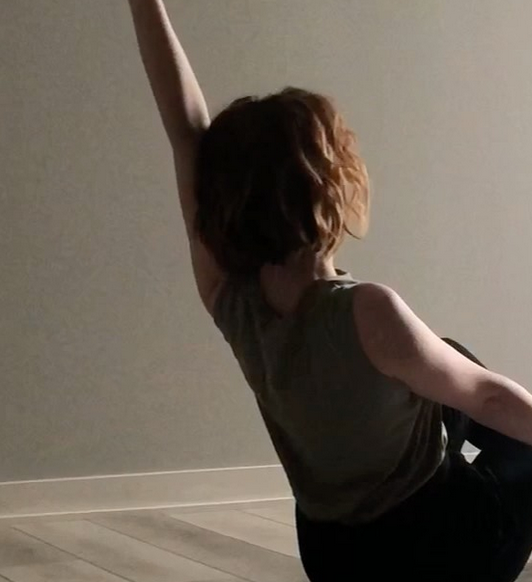
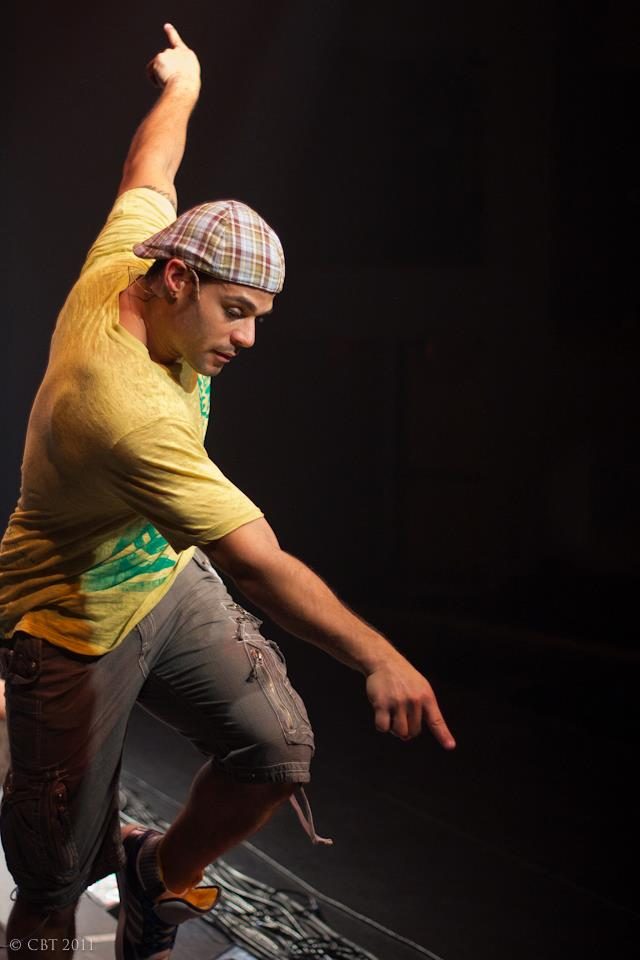
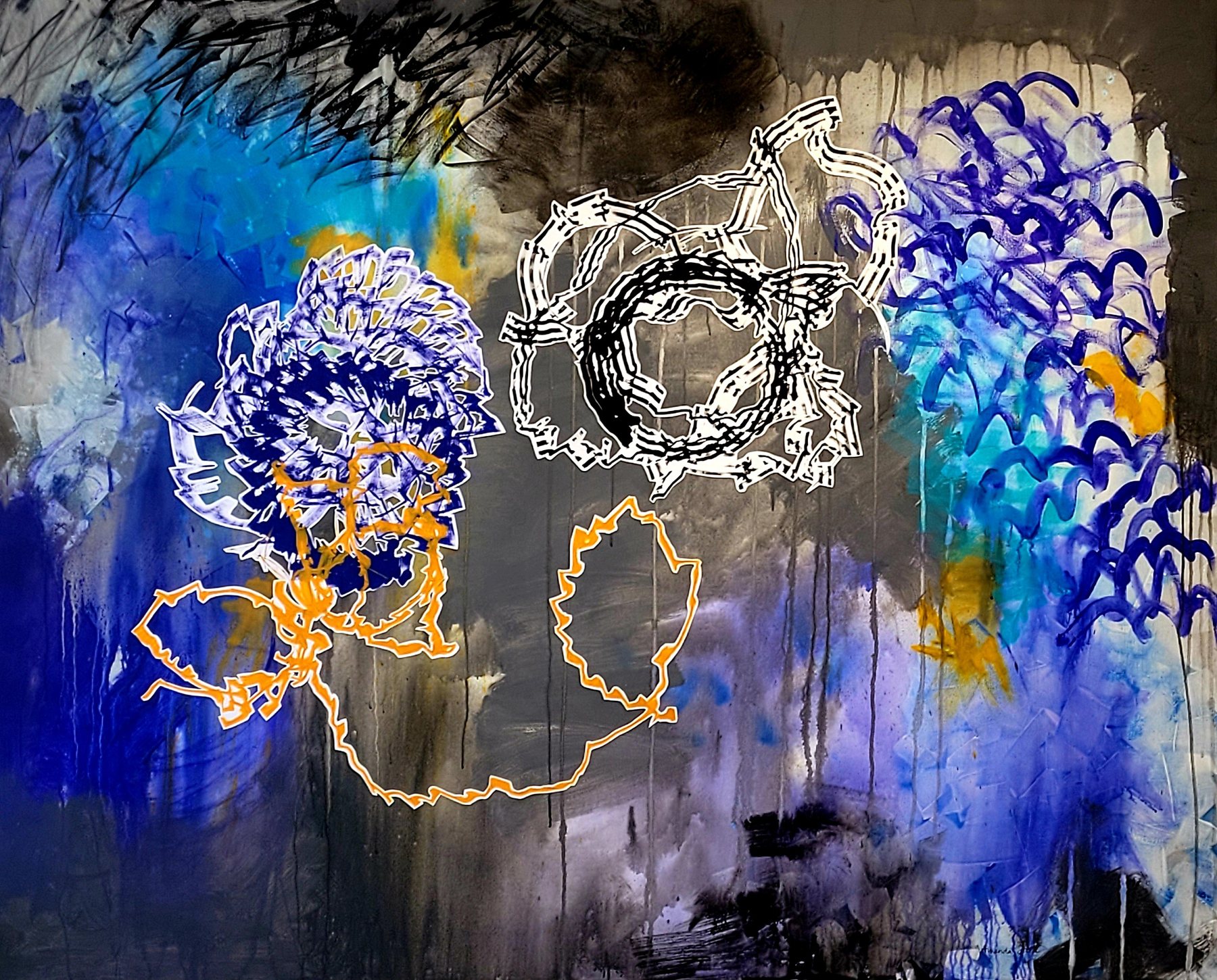
Forced into pandemic isolation along with much of the world, Tate turned the moment into Sapient_2.021. With support from Des Moines Performing Arts, she staged three solo dances for screen at the Des Moines Civic Center and Stoner Theater. As each dancer performed, her motion-controlled painting robot, Manibus, translated their movement into paintings that represent life in the wake of 2020.
“The term robot comes from an old Church Slavonic word ‘robota’ for ‘forced labor’ or ‘servitude’ and has ties to serfdom. I was interested in how we think about robots and the ways our perceptions of them may have changed over the course of the last century.”
Amenda Tate
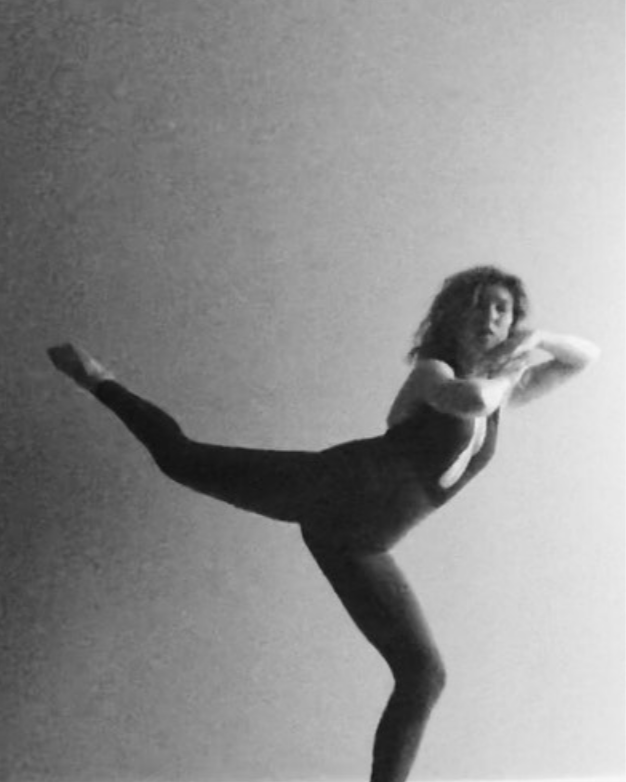
The piece grew out of the lockdowns and racial unrest of 2020, as Tate asked how the pandemic had altered our ideas about labor and work, what rights essential workers have, and what rights all humans are entitled to. The three dance segments, performed by Larry Yazzie of the Meskwaki Nation, L.D. Kidd, and Michelle Marie, tell a story of difference, culture, and human rights that is strongest when the three are seen together.
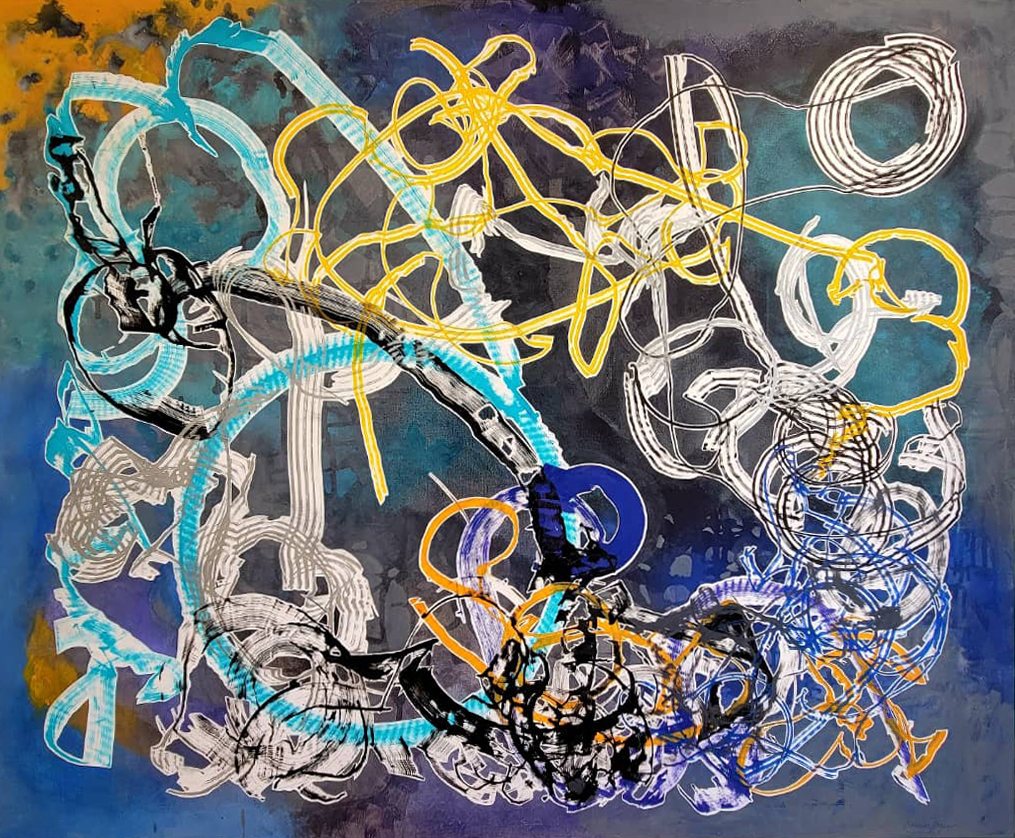
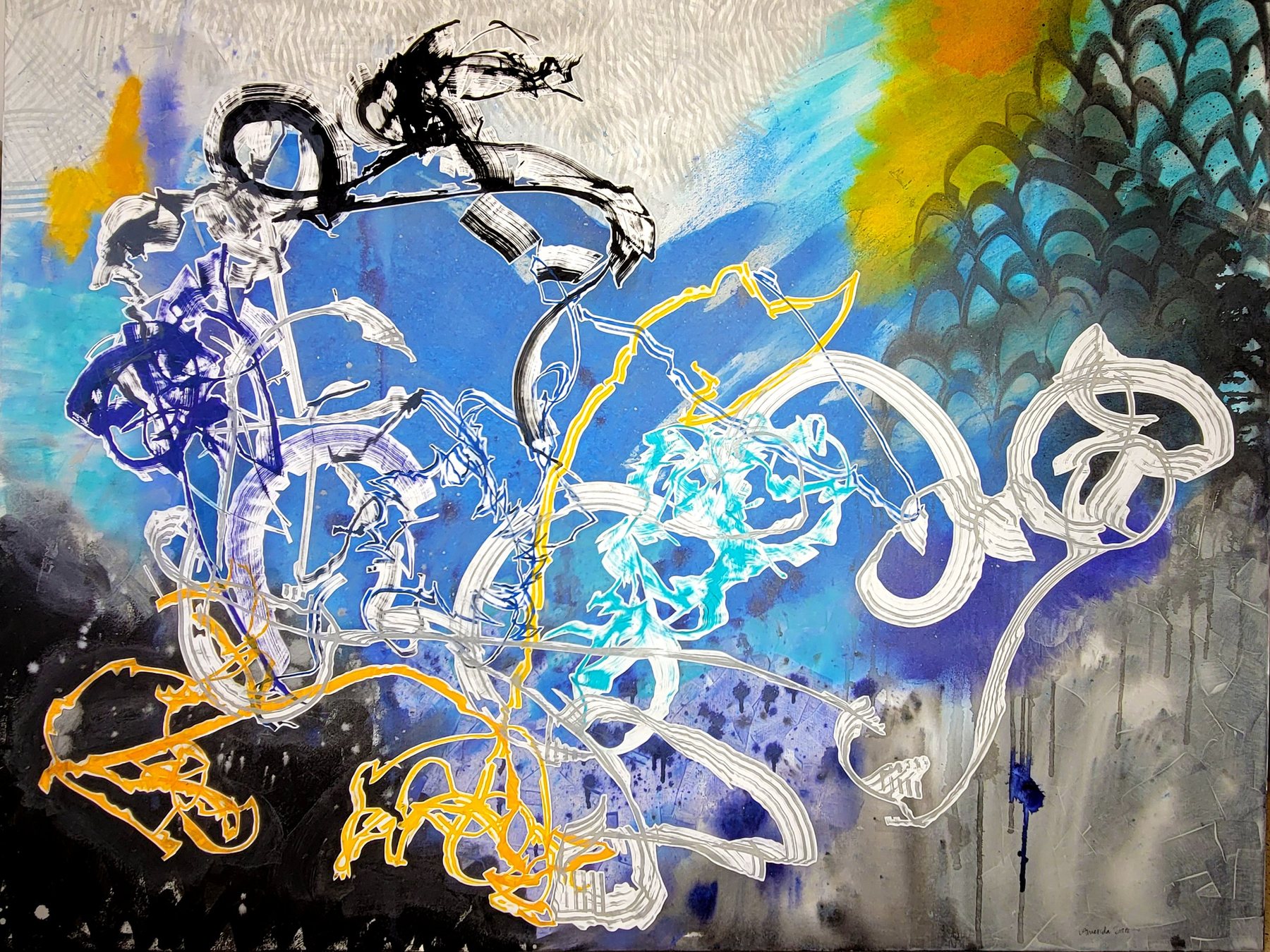
From Set to Gallery to Screen
The process paintings created during filming were finished and mounted on canvas in Tate’s studio at Mainframe Studios in Des Moines, then debuted in her solo exhibition Vestiges and (E)motion at the Octagon Center for the Arts in Ames (November 13 – December 24, 2021).
The film premiered at a free public screening on June 23, 2021, at Jamie Hurd Amphitheater in West Des Moines during ArtWeek, in partnership with the City of West Des Moines Parks & Recreation. It has since gone on to festivals in the U.S. and Europe. See festivals & awards.